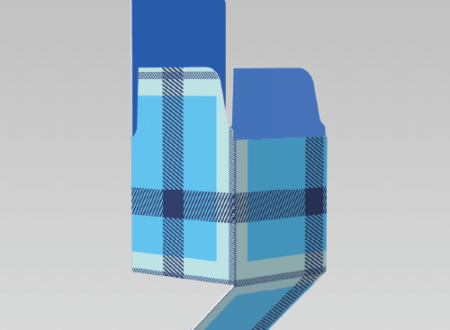
A customer decides how they feel about your brand before they’ve used the product inside the box. That’s not an exaggeration — it’s how unboxing psychology actually works. The weight of the carton, the fit of the product inside, the finish on the print, even the sound the box makes opening — all of it happens before your product gets a chance to speak for itself. For businesses shipping direct-to-consumer or stocking retail shelves, packaging presentation isn’t a finishing touch. It’s part of the pitch.
Unboxing Is a Marketing Moment, Not Just Protection
Packaging has always had one non-negotiable job: get the product from your facility to the customer intact. But for most consumer brands today, that’s the minimum bar, not the goal. A package that’s designed only for protection and ships in a plain brown box is leaving a marketing opportunity on the table — one that costs almost nothing extra to capture if it’s planned into the packaging from the start.
Well-designed packaging drives two things standard shipping boxes don’t: social sharing (customers photograph and post packaging that feels intentional) and repeat-purchase psychology (a premium unboxing experience signals a premium product, which shapes how the customer values what’s inside before they’ve even used it). Neither of these requires a large budget — they require the packaging to be designed as part of the brand experience, not bolted on after the product is finished.
Folding Cartons vs. Mailer Boxes: When Each Makes Sense
These two packaging formats solve different problems, and picking the wrong one for your product creates friction either in retail or in shipping.
- Folding cartons are built for retail shelf presence — they’re printed flat, fold into shape at packing time, and are typically used for products that will sit on a shelf and need to stand out visually next to competitors (cosmetics, food, electronics accessories, subscription-box inserts).
- Mailer boxes are built for direct shipment — sturdier corrugated construction, often self-locking without tape, designed to survive transit and arrive looking exactly like it left the warehouse (e-commerce orders, subscription boxes, gift sets).
Some brands need both: a folding carton for retail distribution and a mailer box for direct-to-consumer shipping of the same product. Treating these as one packaging decision instead of two often means compromising on either shelf appeal or shipping durability.
Print and Finish Choices That Signal Quality
The print finish on packaging communicates quality before a customer reads a single word of copy. A few choices make an outsized difference:
- Matte finishes read as premium and understated — common for skincare, wellness, and higher-price-point goods.
- Gloss finishes read as bold and high-energy — common for food, beverage, and youth-oriented brands.
- Foil stamping and embossing add a tactile, premium cue that’s hard to replicate digitally, which is exactly why it stands out in a market where most packaging is flat-printed.
- Structural design — a box that opens smoothly, holds the product snugly without rattling, and closes cleanly reads as more “finished” than one that requires wrestling with tape or loose-fitting inserts.
None of these choices need to be expensive to be effective. The difference between packaging that feels premium and packaging that feels generic is usually in the details, not the budget.
A Quick Before-and-After Example
Consider a candle brand shipping in a plain, unbranded shipping box with the product loose inside. Customers receive it, unwrap it, and move on — no social share, no unboxing moment, no reason to remember the packaging at all. Now consider the same product shipped in a branded mailer box with a snug interior fit, a matte finish, and a small printed thank-you card. The product hasn’t changed, but the perceived value has — and that perception carries directly into how the customer rates the product itself.
Conclusion
Packaging presentation isn’t a cosmetic upgrade — it’s one of the few marketing touchpoints that reaches every single customer, every single order, without paid distribution. Whether your product needs a folding carton built for retail shelf appeal or a mailer box built to survive shipping and still impress on arrival, the print and structural choices you make shape how customers value what’s inside. Idea Makers designs and prints custom folding cartons and mailer boxes in-house in Miami. Call (305) 615-3320 or start your packaging project to see what a presentation upgrade can do for your brand.